
 Undergraduate Physics students from the University of Jember conducted an academic visit to the nuclear facility owned by the National Research and Innovation Agency (BRIN), located in the Ahmad Baiquni Science and Technology Area (KST), Yogyakarta. The visit took place on Wednesday, July 9, 2025, from 8:00 a.m. to 4:00 p.m. Western Indonesian Time (WIB). Twenty-two students from the Vector Physics Student Association (HIMAFI) and the Nuclear Physics Club (NPC), along with two Physics lecturers as advisors, participated.
The visit aimed to provide students with a firsthand understanding of the application of physics, particularly in the field of nuclear power. Furthermore, it served as a means to strengthen the collaboration between the University of Jember and the National Research and Innovation Agency (BRIN). The student group was accompanied by two advisors, Dr. Ratna Dewi Syarifah and Nindha Ayu Berlianti, M.Si. They were welcomed by the BRIN team, who then guided them through several key research facilities.
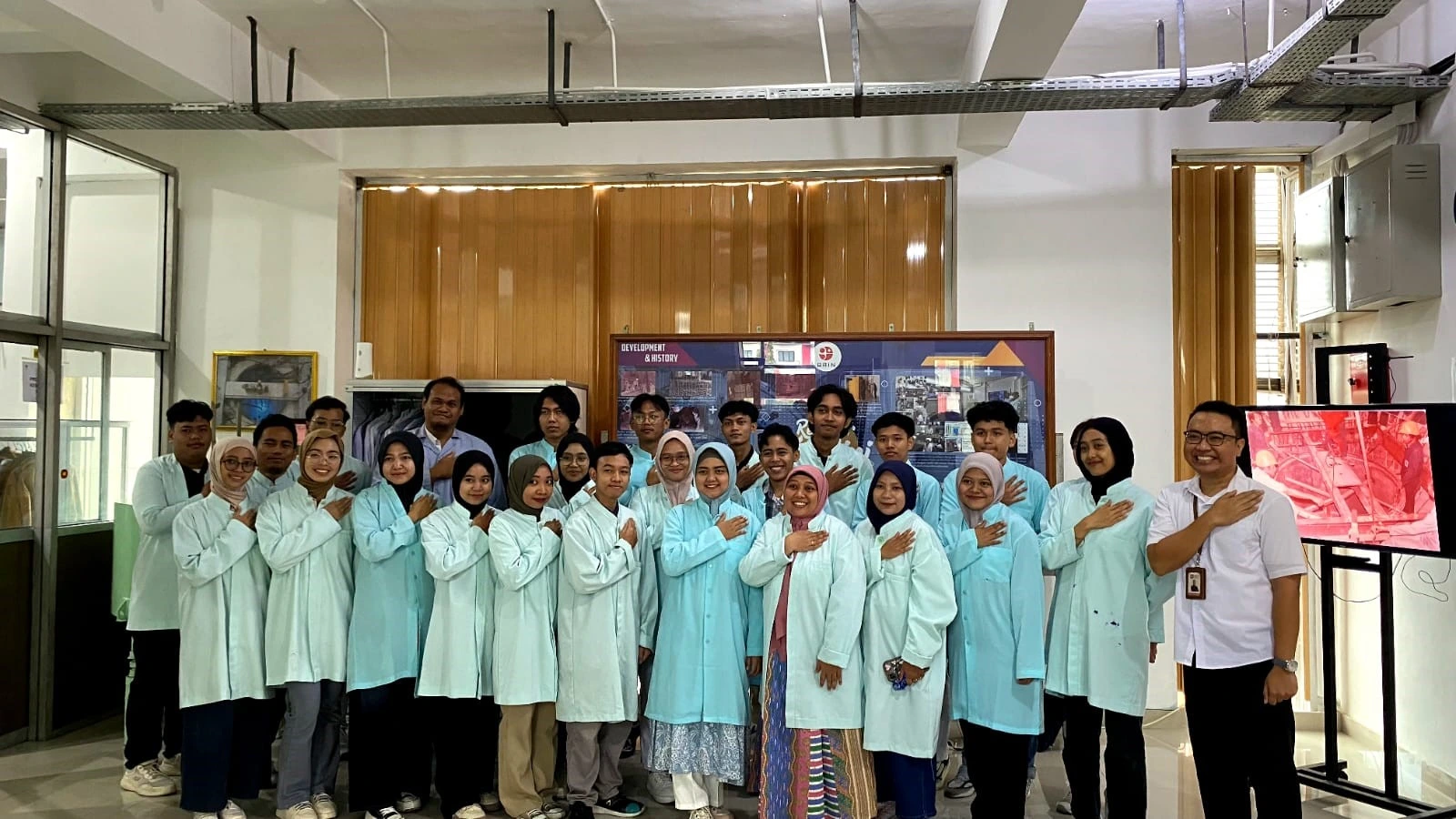
The visit began with a presentation session and a tour of the Kartini Reactor Laboratory, one of the main facilities in the BRIN area. In this session, students received a direct explanation from the research team regarding the working principles of the TRIGA (Training, Research, Isotopes, General Atomics) reactor. This type of reactor is widely used worldwide for education, training, and research purposes because it has a high security system and relatively low power, making it suitable for use in academic environments. Students not only listened to the presentation, but were also invited into the reactor control room to see firsthand how the reactor system is controlled, including the operating procedures and safety aspects applied.
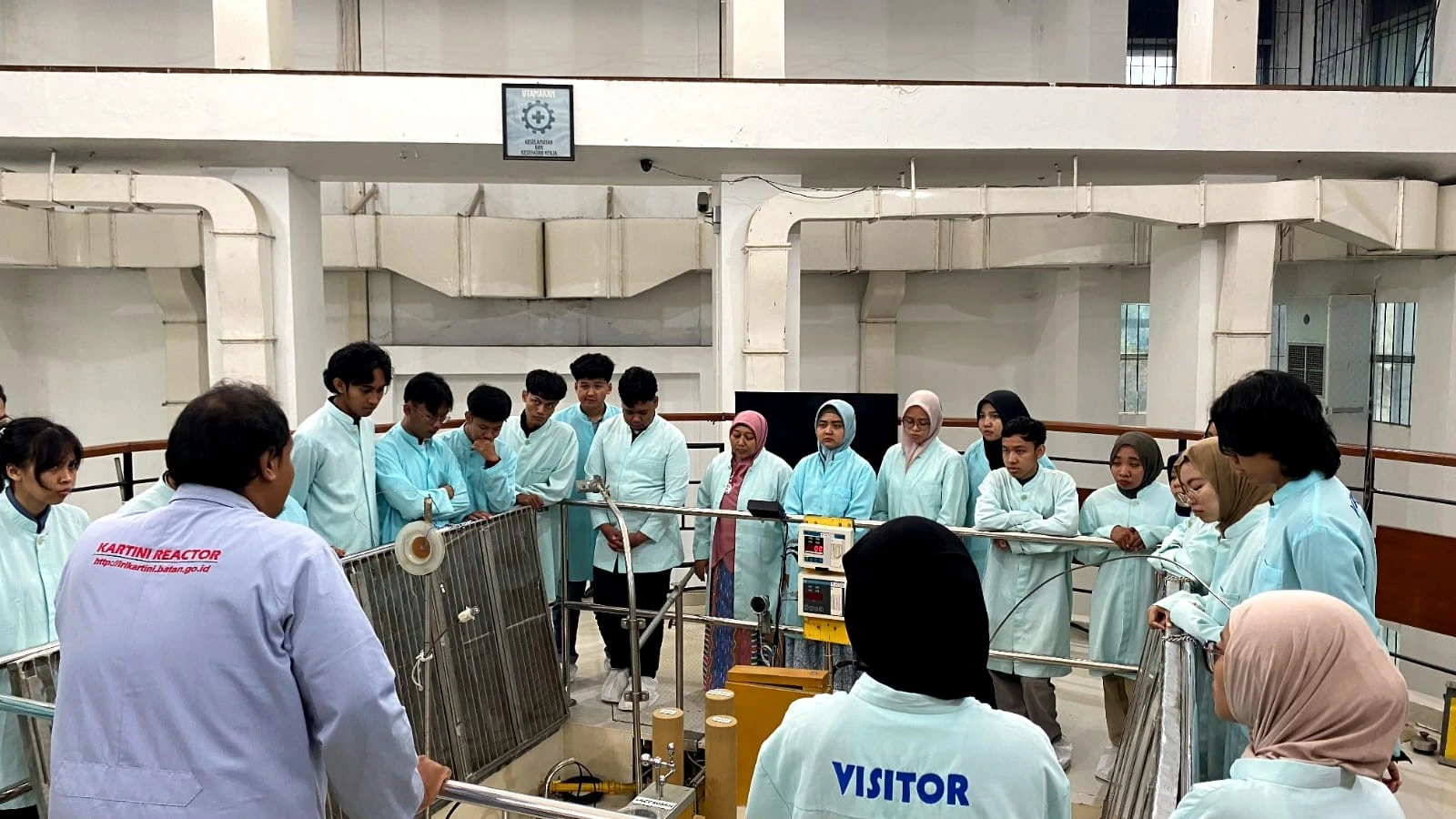
The atmosphere was palpable, as for many participants, this was their first time seeing a nuclear reactor facility in person. They were also given the opportunity to ask questions directly to the experts, resulting in a lively and inquisitive discussion.
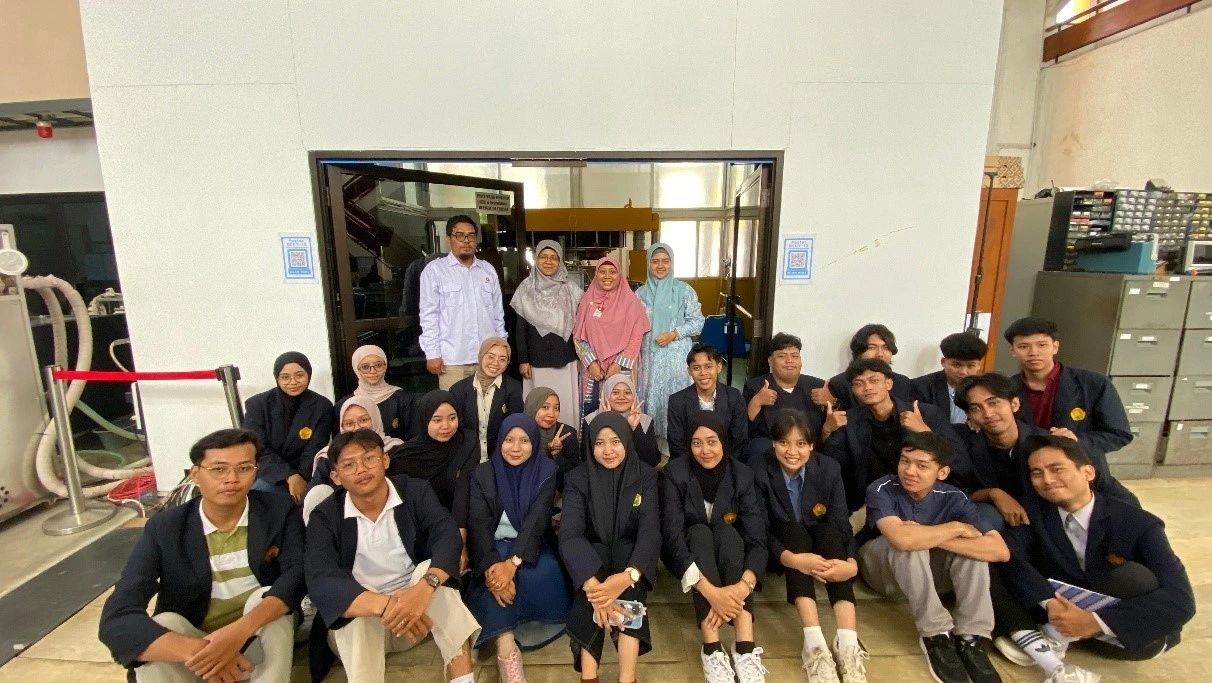
After visiting the Kartini reactor, the group continued their visit to the Neutron Accelerator Laboratory under the auspices of the Pusat Riset Teknologi Akselerator (PRTA). Here, students were introduced to various types of particle accelerator technology used to generate neutrons and other radiation for research purposes. Accelerators are devices used to accelerate charged particles to very high speeds, and in this context, they are used to study material properties, detect chemical elements, and in some cases, for applications in the medical and industrial sectors.
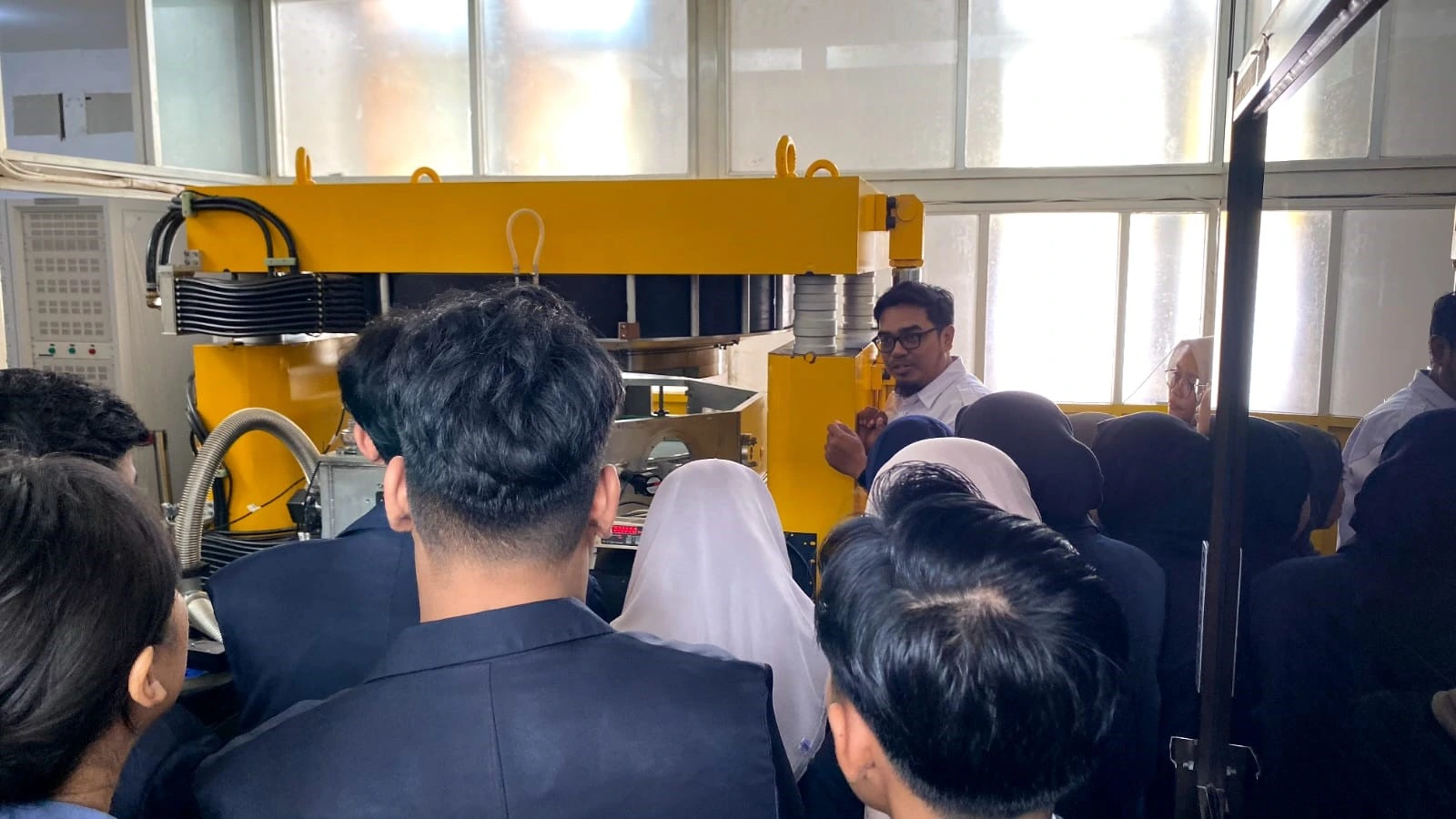
The students were given a guided tour to see firsthand the instruments and equipment used in the acceleration process, as well as how experimental data is collected and analyzed. The explanations were structured so that students could understand the function and benefits of each piece of equipment, despite the complexity of the technology.
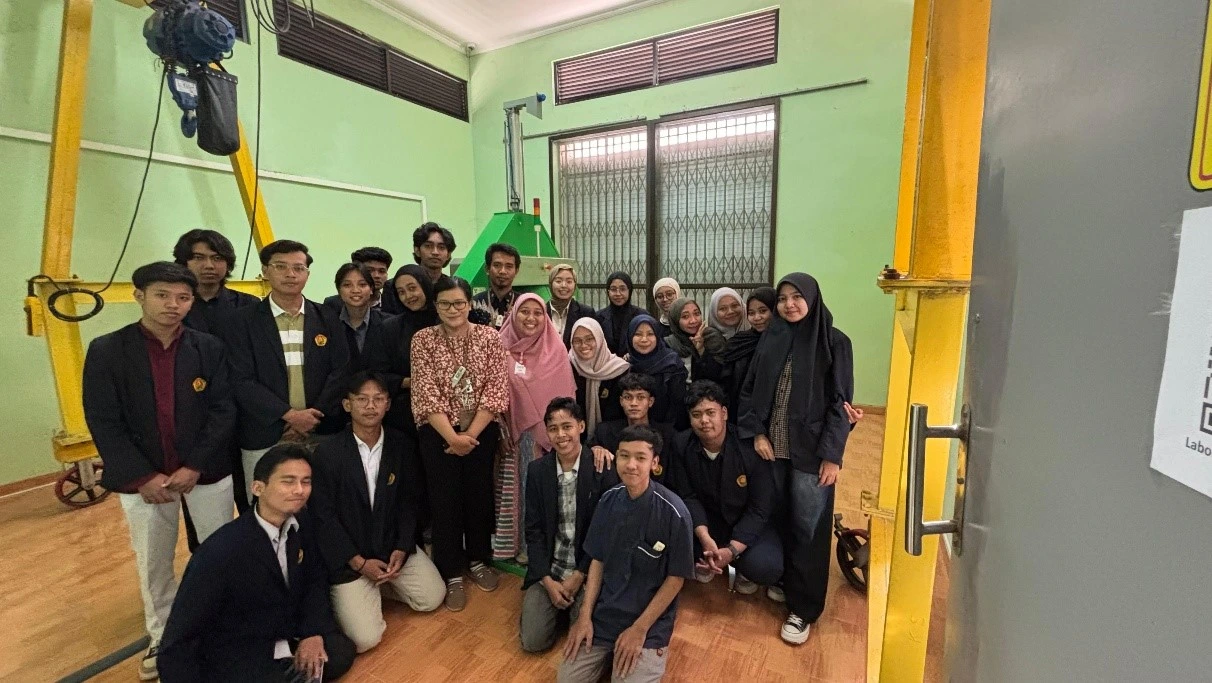
After the morning session concluded and a short break, the activity continued to the Gamma Irradiator facility, which is used to irradiate various materials with gamma rays. This technology is commonly used for sterilizing medical devices, preserving food, and researching the properties of materials against radiation. Students were given an explanation of how irradiation is carried out, including the types of materials that are safe to irradiate and how it affects the chemical and biological structure of a substance. They also got a close look at the irradiation chamber and its control system developed to ensure the process is carried out safely.
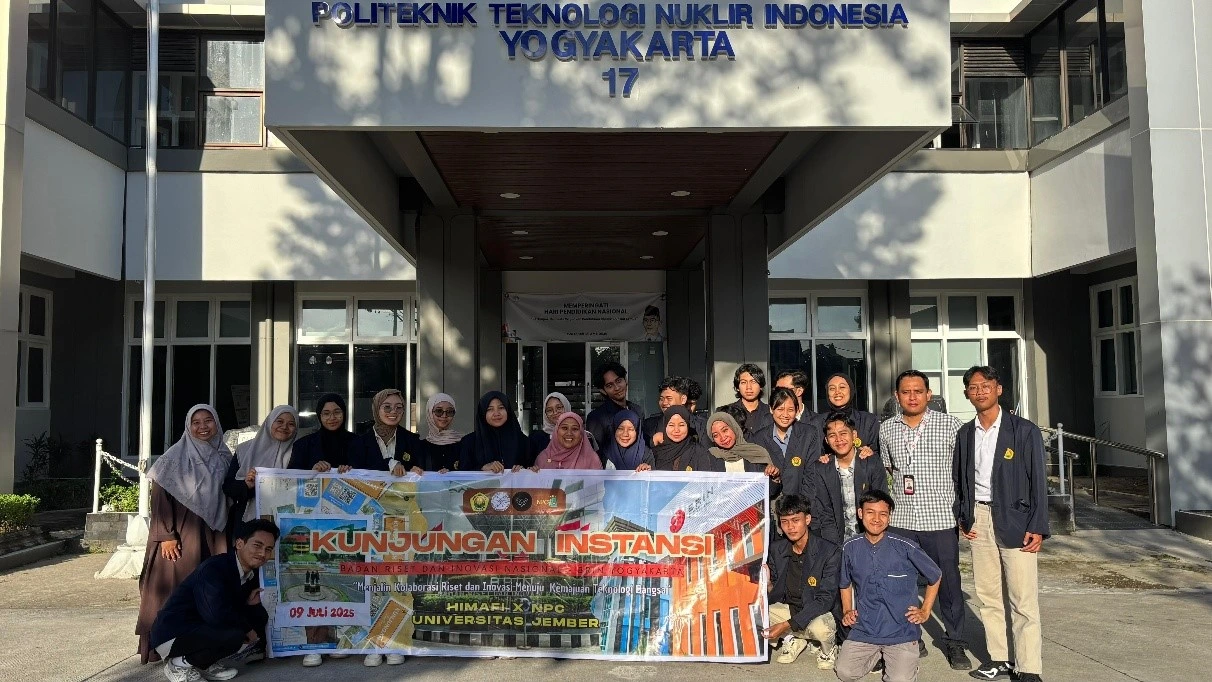
The next visit was to the Medical Physics Instrumentation Laboratory at the Indonesian Nuclear Technology Polytechnic Yogyakarta, where students were introduced to the application of nuclear technology in the medical field.
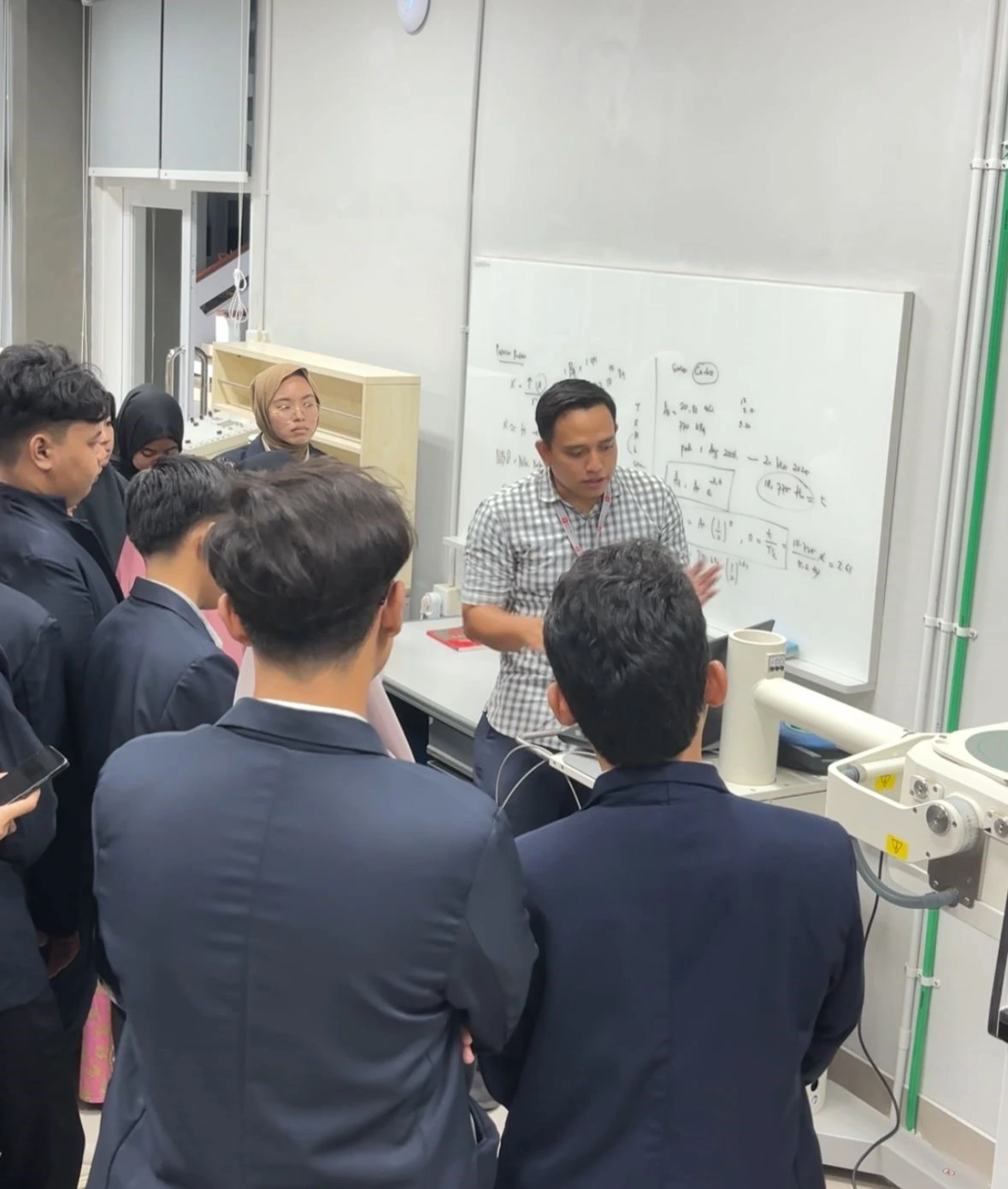
Here, students observe various medical devices based on nuclear technology, including a gamma camera. This camera detects radiation from radioactive materials injected into a patient’s body to monitor internal organ function. Students learn that this device helps doctors more accurately diagnose diseases such as cancer.
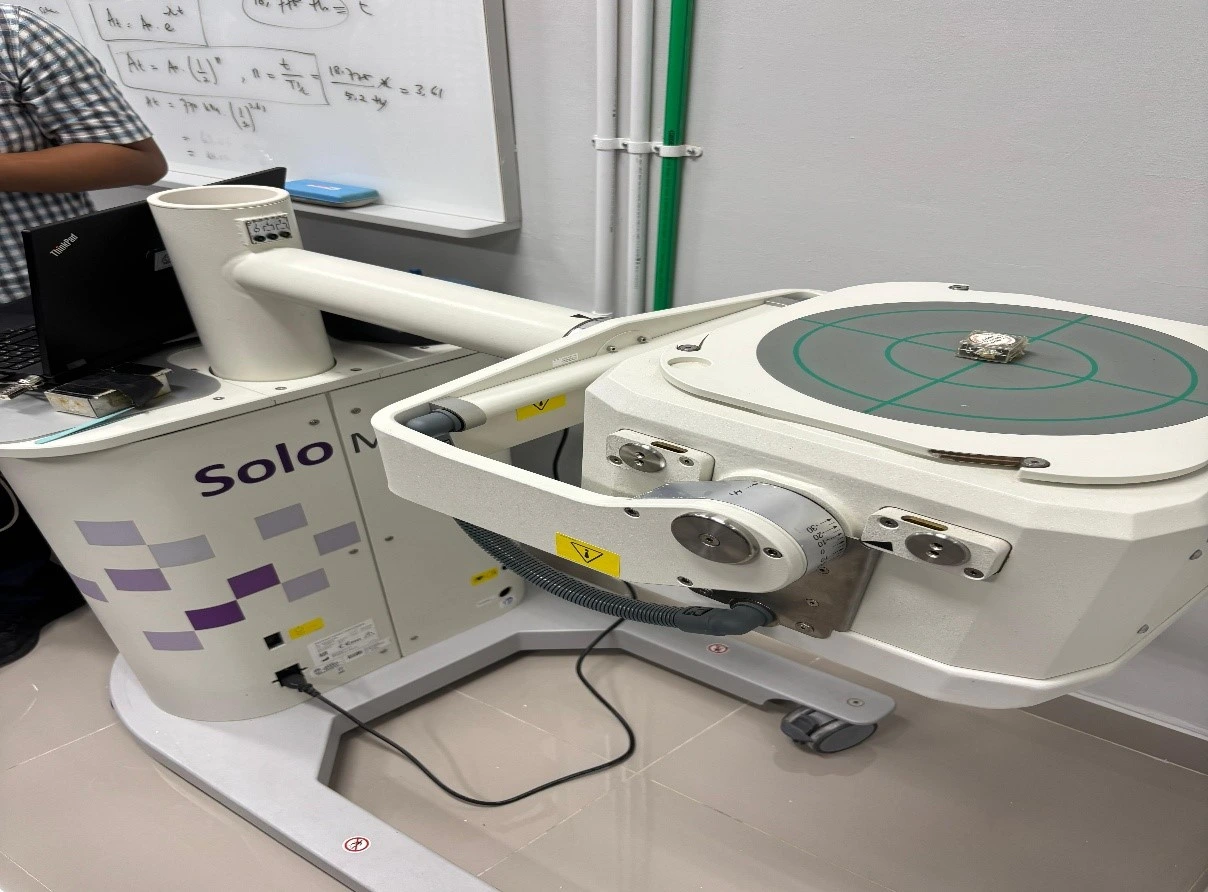
Gamma cameras work by capturing gamma radiation signals and converting them into two-dimensional images. These images show the activity of organs inside the body and help detect functional disorders invisible to conventional imaging devices.
Through this visit, students gained a real-life understanding of how physics is applied in the workplace and research. Many participants expressed joy and enthusiasm because they were able to directly experience technology they had previously only learned about in the classroom.
“The activity was exciting and very useful. We were able to enter the reactor room and observe the irradiation process firsthand. But perhaps the time was too short,” said Iim, one of the participants.
Other participants also appreciated the speakers’ clear and enthusiastic delivery of the material. “We were happy to learn from experts who are experienced in their fields. Even though the buildings are quite far from each other, it was still enjoyable,” she said.
It is hoped that this activity will be held regularly in the future, so that more students can gain hands-on experience in the world of research. The University of Jember continues to encourage activities like this as part of its efforts to prepare graduates who are ready to compete and contribute to the development of science and technology in Indonesia.